
Andre Burgess, from NPL spoke with us about how assurance, collaboration and Plymouth’s ecosystem will shape the next era of autonomous maritime technology.
Maritime autonomy is shifting from theoretical ambition to a practical reality, and the UK is positioning itself at the forefront of that transition. In a recent webinar hosted by Plymouth and South Devon Freeport, Andre Burgess from the National Physical Laboratory (NPL) explored how the UK can enable safe, confident and scalable adoption of autonomous vessels. His message was clear: this moment is a major opportunity, but unlocking it depends on assurance.
Over the last four years, NPL has been working with a consortium of leading organisations to develop the Maritime Autonomy Assurance Testbed (MAAT). Plymouth is at the heart of that work, thanks to its unique blend of research capability, water space, test facilities and cluster of innovative maritime companies.
This blog explores the key insights from the webinar and explains why assurance is central to the future of maritime autonomy in the UK.
Why assurance matters now
The UK already has one of the strongest maritime autonomy ecosystems in the world and Plymouth has been a recognised hub long before recent government announcements placed even greater emphasis on the sector. But as autonomous and remotely operated systems grow in capability and complexity, the industry now faces a pivotal challenge: how do you build confidence in a system where decisions are no longer made solely by humans?
Traditional certification and approval processes were designed for vessels with crews on board. Autonomy introduces new questions about performance, behaviour, reliability and safety. Regulators need solid evidence to make decisions. Operators and buyers need to know that a system will deliver on its promise. Developers need clarity so that innovation is not slowed by uncertainty.
This is where assurance steps in.
Assurance is the process of establishing confidence that an autonomous system is safe and performs as expected. It involves design, testing, evaluation and ongoing operational understanding. It is not a one off approval, but a structured, evidence based approach that follows a system from early development through to deployment.
Without robust assurance frameworks, companies risk slower development cycles, barriers to commercial adoption and difficulty accessing water space to test and demonstrate their technology. With the right assurance model, the opposite becomes true: faster development, easier market access and greater investor confidence.
The complexity of the maritime environment
As Burgess pointed out, the maritime domain introduces particular challenges. Autonomy is needed across a wide range of environments, from sheltered harbours to congested commercial routes and from coastal operations to deep offshore waters. It also spans many vessel types, from small surface craft to submarines and hybrid systems that interact with
drones or airborne platforms.
This creates a maze of definitions, expectations and risks. Without common language, common standards and shared specifications, every new system requires renegotiating what “safe” or “reliable” looks like. Assurance provides the structure needed to replace ambiguity with clarity.
Introducing the Maritime Autonomy Assurance Testbed
The Maritime Autonomy Assurance Testbed, known as MAAT, has been designed to streamline this process. It brings together world leading expertise, test environments and scientific capability to create a consistent and accessible approach for industry, regulators and end users.
MAAT is built on three key principles:
A proportional and structured framework. Systems are evaluated according to their complexity and level of risk. This ensures the process is rigorous but not burdensome.
Objective, evidence based testing. Decisions can be made more confidently because the evidence is robust and comparable across systems.
A pathway that supports both development and operation. Assurance begins during early R and D and continues once a system is in service, ensuring ongoing confidence as technologies evolve.
What makes MAAT particularly powerful is its collaborative model. The consortium includes NPL, the Met Office, Hydrographic Office, Lloyd’s Register, Plymouth Marine Lab, University of Plymouth, and Warwick Manufacturing Group, major industry partners and organisations across the UK’s maritime, defence and offshore sectors. Many of these partners are already active within Plymouth, reinforcing the city’s role as the natural home for the programme.
Why Plymouth?
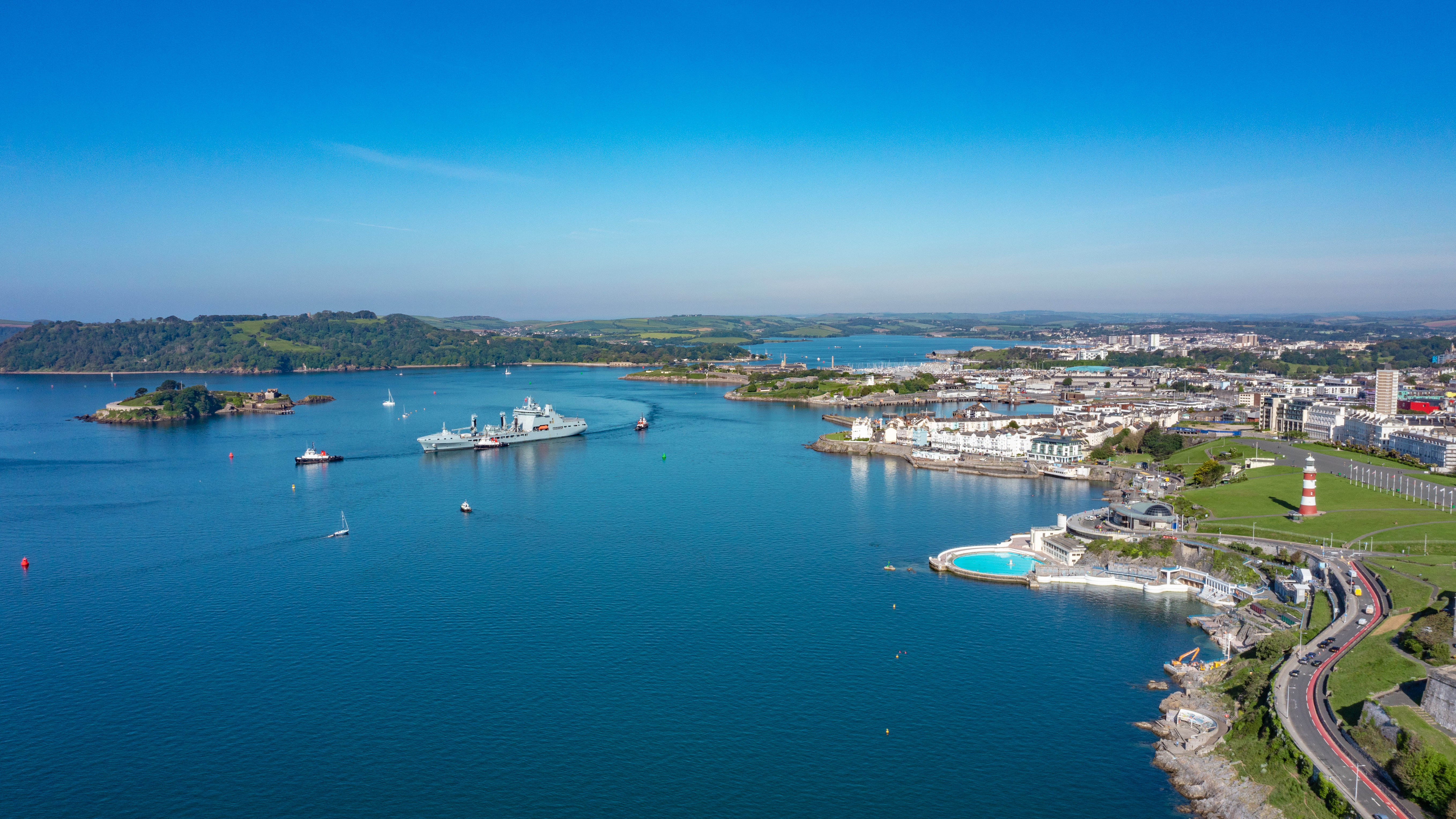
Plymouth offers a combination of assets that is unique in the UK. Smart Sound Plymouth, the National Centre for Coastal Autonomy, PML and the wider FAST cluster create an integrated environment for testing, research and commercialisation. The Freeport adds an enabling policy environment and a growing ecosystem of defence, marine autonomy and advanced manufacturing activity.
These strengths were key factors in MAAT selecting Plymouth as its regional centre. The intention is to network Plymouth’s capability with other national hubs to create resilience and international competitiveness across the UK.
What the UK stands to gain
A national approach to maritime autonomy assurance supports both industrial ambition and government priorities. It enables:
- faster, safer deployment of autonomous systems
- reduced barriers to investment and innovation
- accelerated development cycles for companies of all sizes
- improved procurement processes for defence
- enhanced capability for offshore energy, aquaculture, logistics and wider marine sectors
- a stronger international position in a rapidly growing global market
- support for the skills pipeline needed to grow the future workforce International partners are already engaging with MAAT as a potential model for their own approaches, giving the UK a first mover advantage.
A step change for industry
In closing the webinar, Burgess emphasised that the sector has now passed a key milestone.
The case for assurance is recognised, government support is increasing and the need for a coordinated national programme is widely understood. The remaining task is securing the right
investment to deliver the programme at pace.
For Plymouth and for the UK, MAAT represents a major opportunity to lead the world in the
responsible, confident and commercially successful development of autonomous maritime systems.