
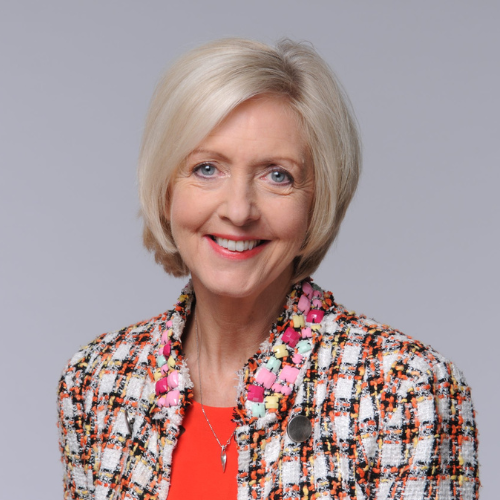
We spoke with Jan Ward the Chair of Plymouth and South Devon Freeport, which plays a central role in shaping the region’s economic future. We spoke with Jan about inward investment, collaboration, and what the Freeport is really here to do.
Can you tell us about the role Plymouth and South Devon Freeport plays within its ecosystem?
The Freeport was set up to use the seed capital and tax advantages available to attract companies to set up in the Freeport and grow the economy in Plymouth South Devon. First and foremost this is generating inward investment and creating well paid skilled jobs for people here through attracting companies that are producing high value products growth sectors of marine, defence, advanced manufacturing, net zero technologies and space.
The success of the Freeport will be reflected in new companies investing here, new jobs and creating business rates income that supports ongoing investment in skills and innovation in the area. The Freeport selection will start to generate a critical mass of companies that will support innovation alongside the research and development institutions and ensure bedding in net-zero growth principles. It becomes a virtual circle – new private sector investment itself generates further investment and innovation-driven growth.
What does impact look like locally?
The Freeport has already benefited the local area by using part of the seed capital to invest in enabling infrastructure and develop what would have remained unused land for productive employment. It is also encouraging companies to invest in South Devon that otherwise would have located elsewhere, or enabling companies to grow using the seed capital and tax advantages.
Being part of the Freeport family connects businesses to the people they need to talk to in local authorities, universities and colleges, collaborators, business groups and the supply chain. The most recent tangible example of how our work has already benefited the locality area is helping the Plymouth area to be designated the National Centre for Marine Autonomy and leading the creation of a stand at London’s Oceanology business show, showcasing the area for investment to over 8,000 attendees in the marine sector.
What kinds of businesses and partners are you most excited to work with?
We are working across the spectrum of the target growth sectors of marine, defence, advanced manufacturing, space and net zero tech. These are sectors that all have high value jobs and generate high quality exportable product that has dual use across a number of sectors, thereby protecting jobs by reducing a business’s risk when a section of the economy experiences a downturn.
How are you contributing to skills and workforce development?
We work alongside all the companies that decide to locate in the Freeport to understand their future workforce development needs and ensure they are closely connected to the right institutions to fulfil those needs.
What does meaningful collaboration look like in practice?
By building a critical mass of companies in the same sectors, particularly in the marine autonomy sector, companies will pursue innovation and R&D projects together, bringing their individual speciality to a project. We spend a lot of our time networking companies together and making connections where we can see the potential for collaboration.
What’s a common misconception about operating within a Freeport?
The Freeport concept was challenged at the outset because it was perceived as a vehicle for companies to avoid regulation. This is not the case. Businesses investing in the Freeport are subject to the same requirements to meet regulations as elsewhere in the UK, be that planning, employment law, environmental regulation or anything else.
Looking ahead, what does success for the region look like to you?
The key for me professionally and personally is to see the lives of residents in South Devon improved through skilled, well paid jobs that will change the lives of their families for the better.
Finally, what should people understand about the South West that they won’t find in a brochure?
A visit to the region is the only way that the beauty and great lifestyle of Devon can be properly appreciated. Those interested in the Freeport can only really appreciate how we can connect them and support them by coming to see us.
As Jan’s vision makes clear, the Plymouth and South Devon Freeport is about far more than tax advantages, it is about building a region where businesses, people, and communities can genuinely thrive. Discover more conversations with the people shaping the Plymouth and South Devon Freeport in our spotlight series.